
EMOVE
EMOVE RoadRunner Pro Seated Electric Scooter
- ✓ 60 mph top speed
- ✓ 55 / 75 mi ideal-condition range
- ✓ 4,000W nominal, 8.4 kW peak
- ✓ 72V 40Ah / 60Ah Samsung 50G 21700
In stock · Ships from our US warehouse
Nationwide shipping
From our US warehouse
Factory warranty enforced by Voro
US parts stocked
US-based support
7 days a week
100+ service centers
Nationwide network

4,320 watt-hours.
The 72V 60Ah variant carries 4,320Wh — the same league of energy reserve as a Surron Ultra Bee or a Teverun Fighter Supreme 7260R, in a seated platform you can still park in a hallway. That is what turns a scooter's range figure into something you stop thinking about: extended real-world miles, sustained output rather than a fade, and far fewer stops at a wall socket.
5,000 mAh cells, copper-infused nickel
20S 8P or 20S 12P, your call
A full charge from empty, 3.5A XLR
Down to the last bolt.
A 3 mm double-reinforced tubular frame.
Tubular construction spreads load across the whole chassis instead of concentrating it, so it resists flex, twist and impact far better than a flat or cut-out frame. The 3 mm walls add real stiffness — the bike feels planted rather than nervous at speed — and no structural cutouts means fewer weak points and less stress fatigue over the years. External wire routing keeps every component reachable when something needs servicing.

Samsung 50G cells, 40Ah or 60Ah.
Both packs are built from Samsung 50G 21700 cells at 5,000 mAh apiece, on copper-infused nickel. More energy in the same space means more miles without more weight, and tier-1 cells hold their voltage under load, so power does not sag when you are climbing or sitting at top speed. They also fade slower, which means the range you buy stays closer to the range you have three years from now.

DOT hydraulic, on 203 mm rotors.
Up from 180 mm to 203 mm, and from 1.8 mm to 2.8 mm thick, so the rotors shed heat instead of fading. True e-moto DOT 3/4 hydraulic calipers sit behind them, with pads and calipers around 20 percent larger for more surface contact and a sharper bite. More stopping power asks for more upkeep in return: periodic fluid top-ups and a bleed belong in your normal maintenance.
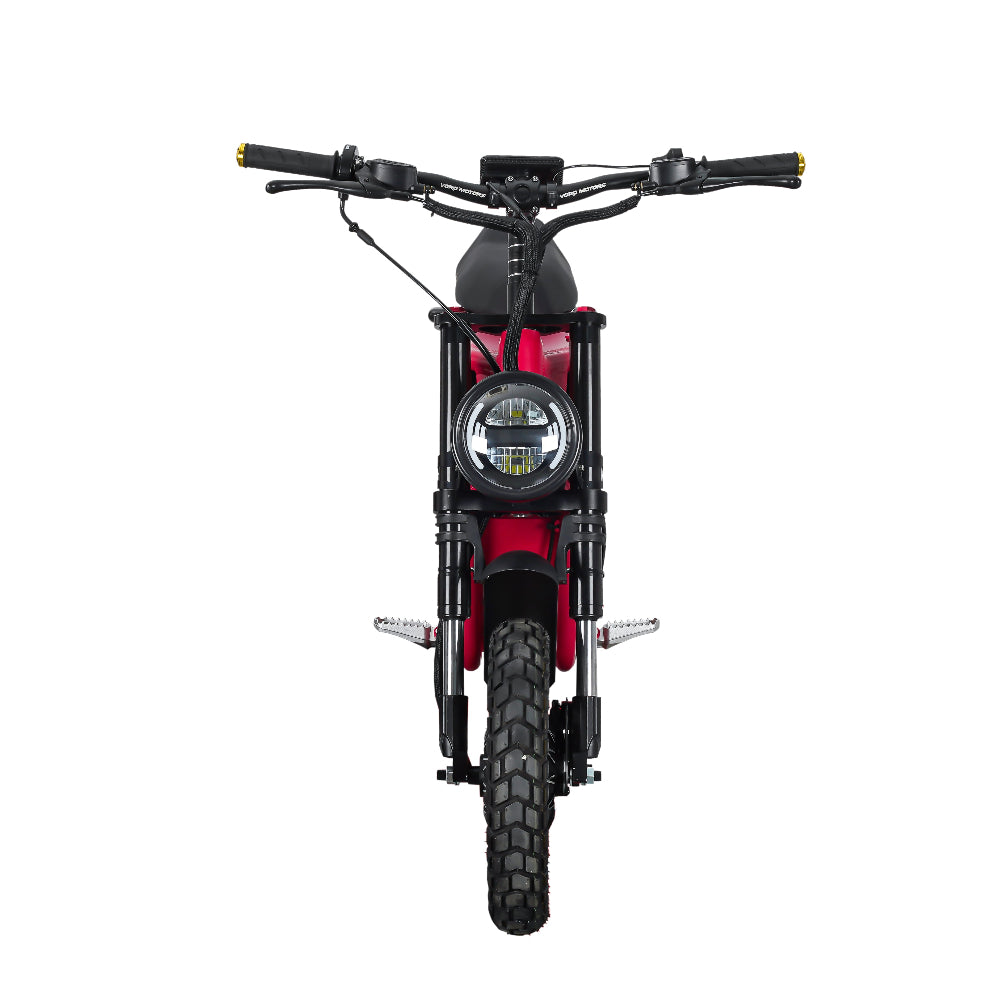
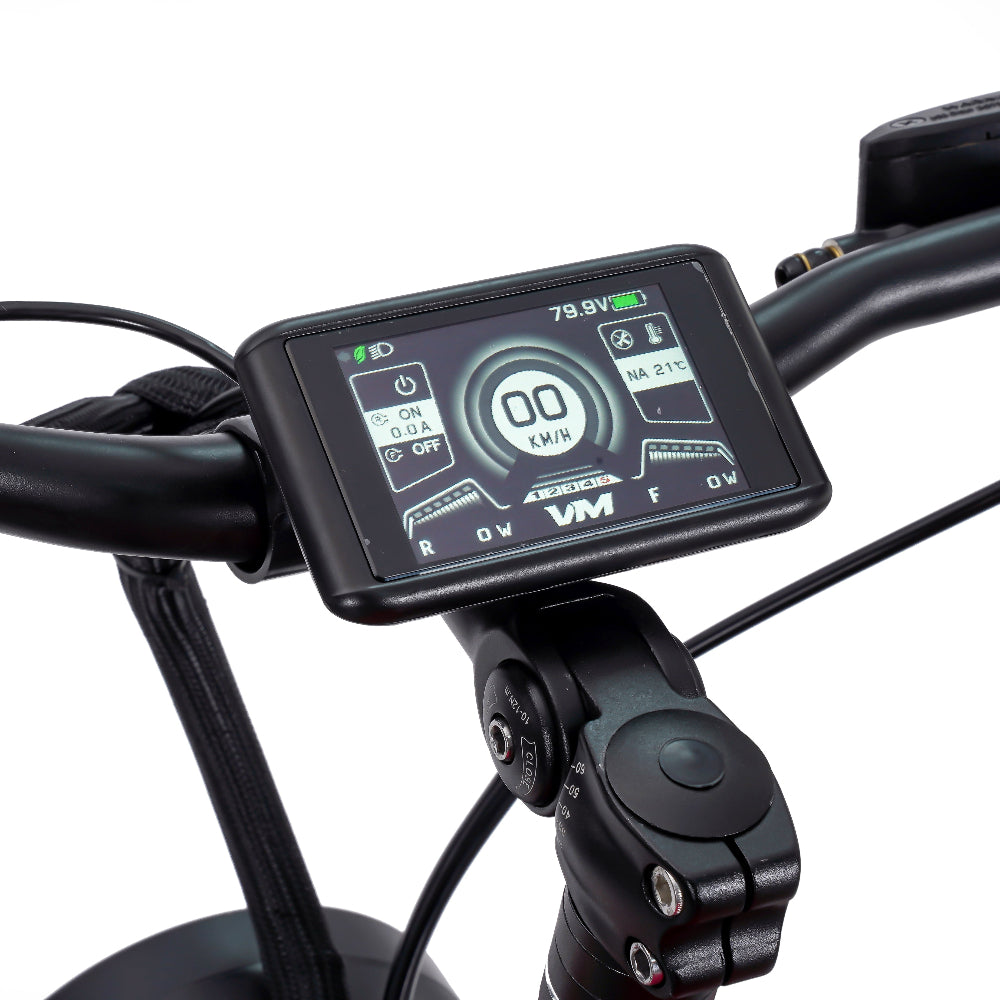
A 3.5-inch colour TFT, centred.
A full-colour VoroMotors TFT rather than a generic segment LCD: speed, battery voltage and ride mode legible at a glance, and still legible in direct sun. It sits centred in the bars where you actually look, next to a twist throttle and the switchgear.

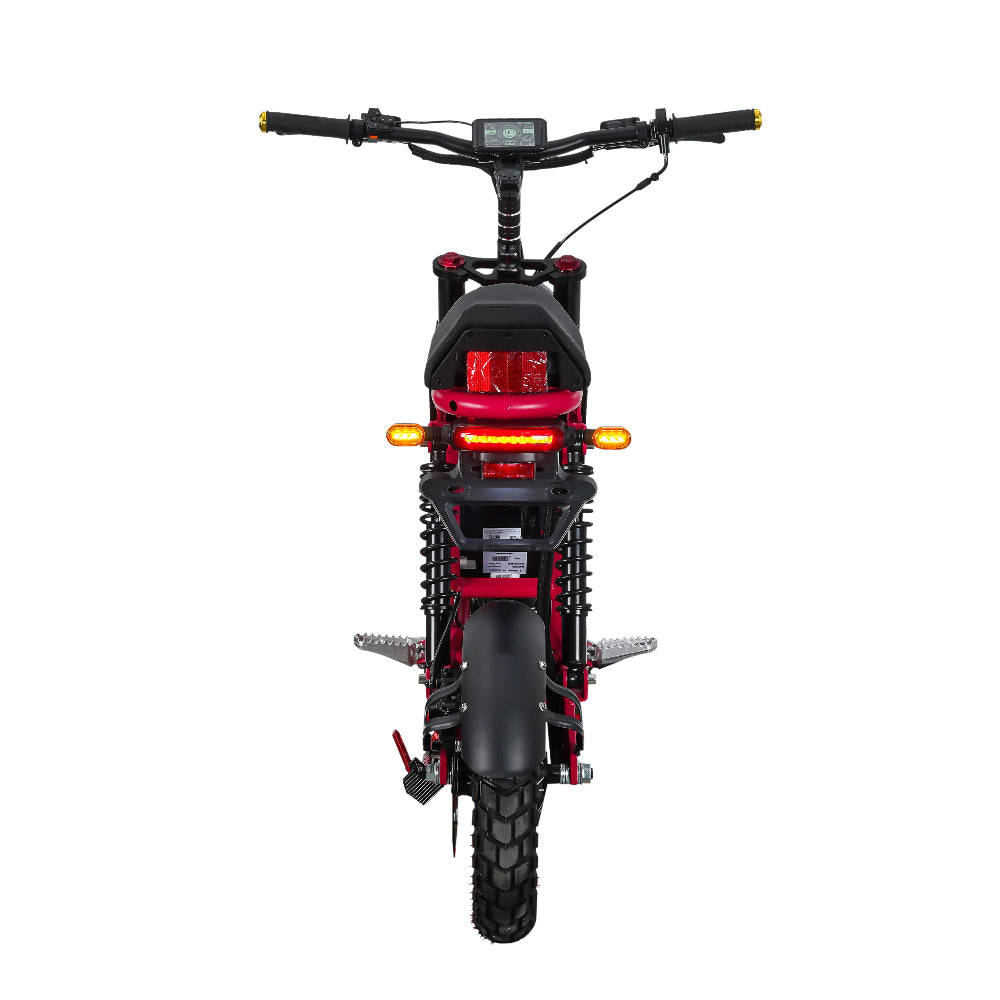
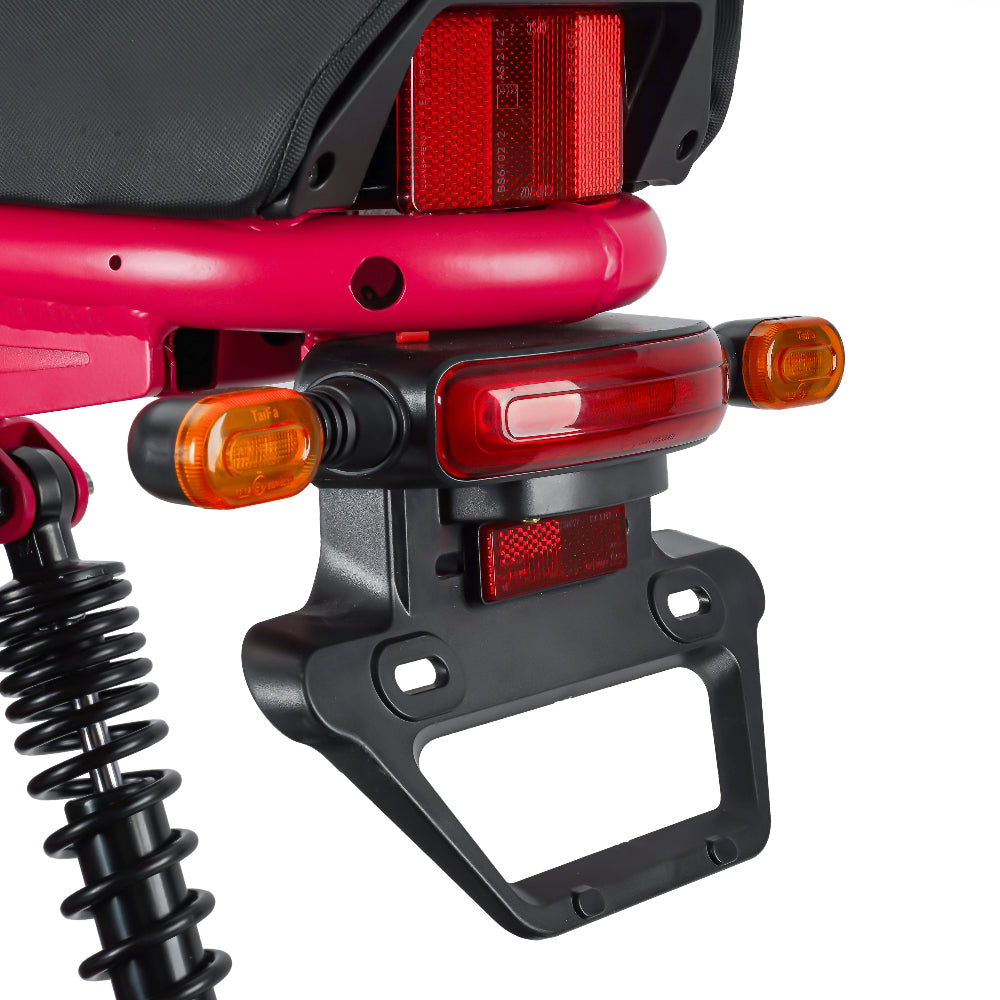
Bigger turn signals, and a plate mount.
Riders on the previous RoadRunner Pro asked for brighter, more prominent indicators, so they are larger and clearer — designed to be read in real traffic rather than to look right in a photograph. An integrated licence plate mount is there too, for riders who want to take the bike fully street-ready.
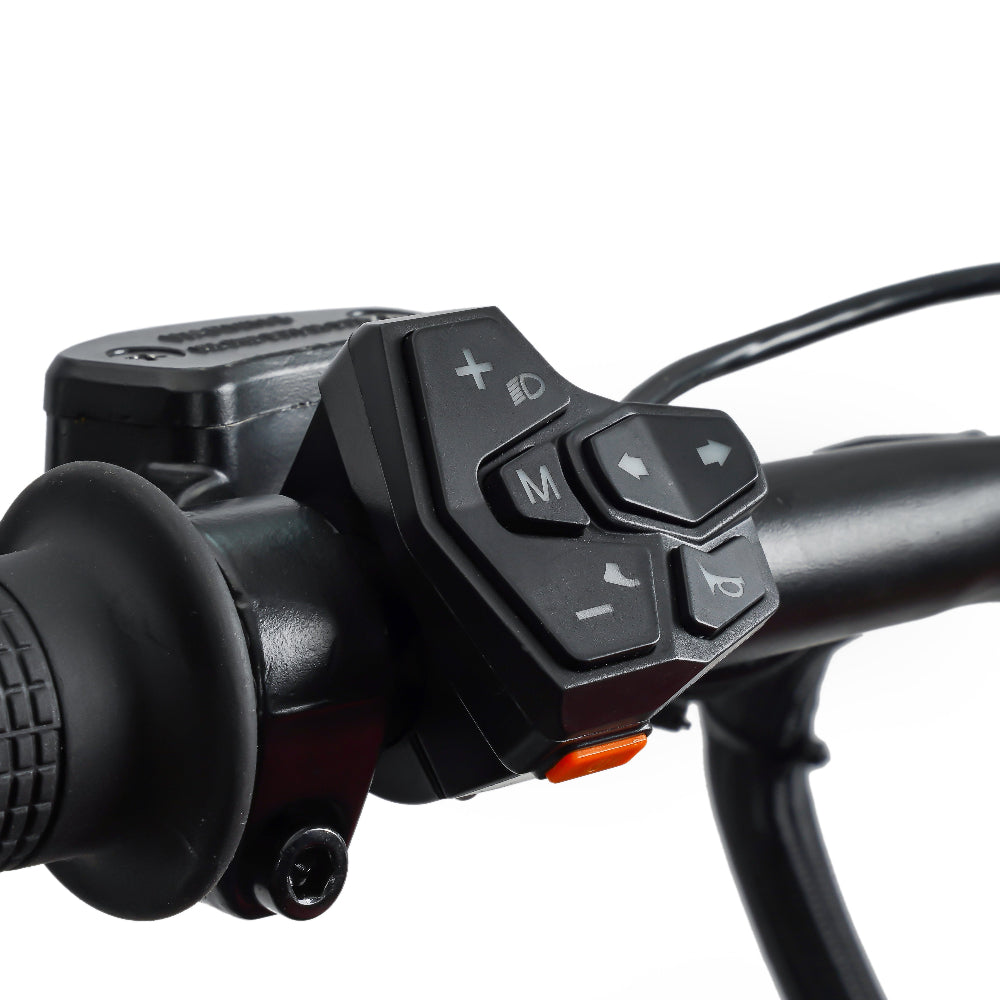
Everything to hand.
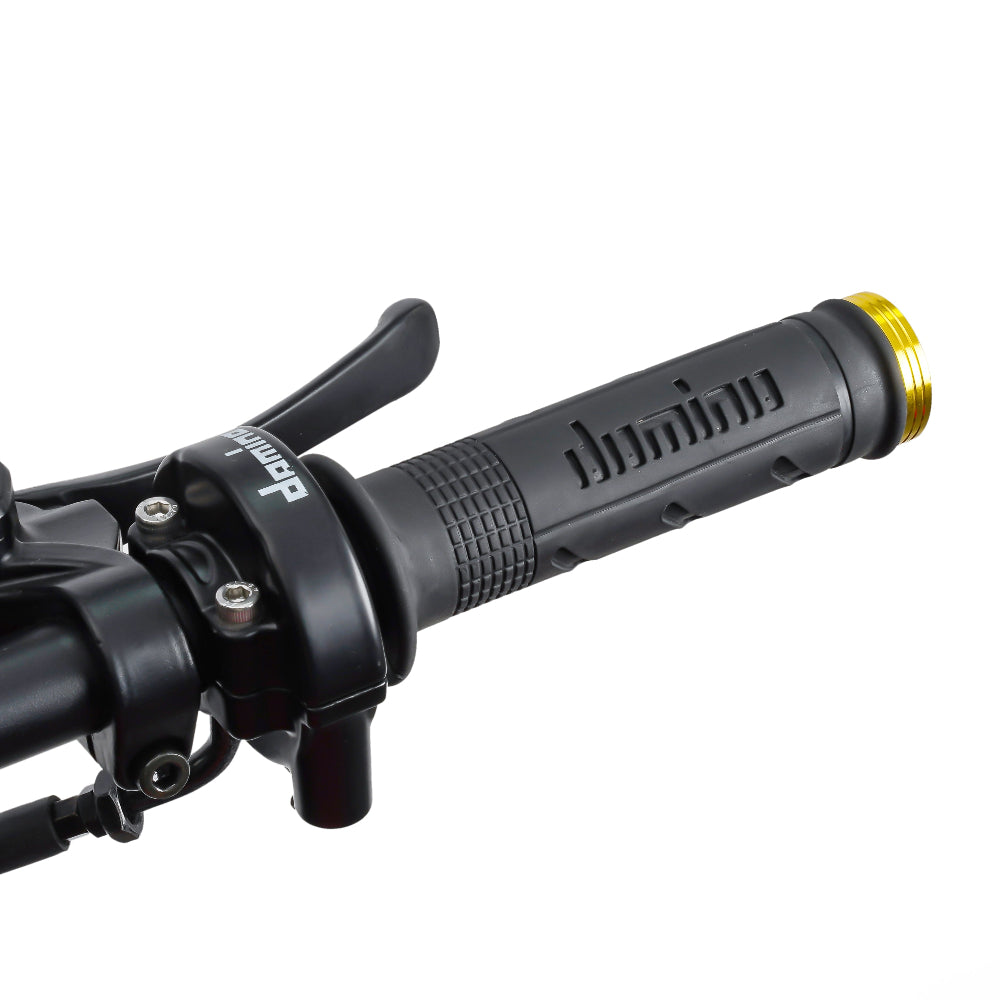
Turn signals, horn and lights on the left cluster, twist throttle on the right, brake levers within reach of both. Nothing to memorise and nothing hidden in a menu — you can work the whole bike without taking your eyes off the road.

Moto pegs, as standard.
E-moto-style foot pegs from the factory, not the folding plastic ones. Spring-loaded so they stay responsive in motion, easy to fold flat when space is tight, and compatible with a wide range of aftermarket pegs if you would rather run your own.
The battery and electrical system are UL2849 certified.
UL2849 is the North American safety standard that covers an e-scooter's complete electrical system — battery, charger and wiring together, rather than the cells on their own. The RoadRunner Pro's 72V packs are certified to it, which is the certification fire departments and apartment buildings ask for.
See it move.
In the metal.
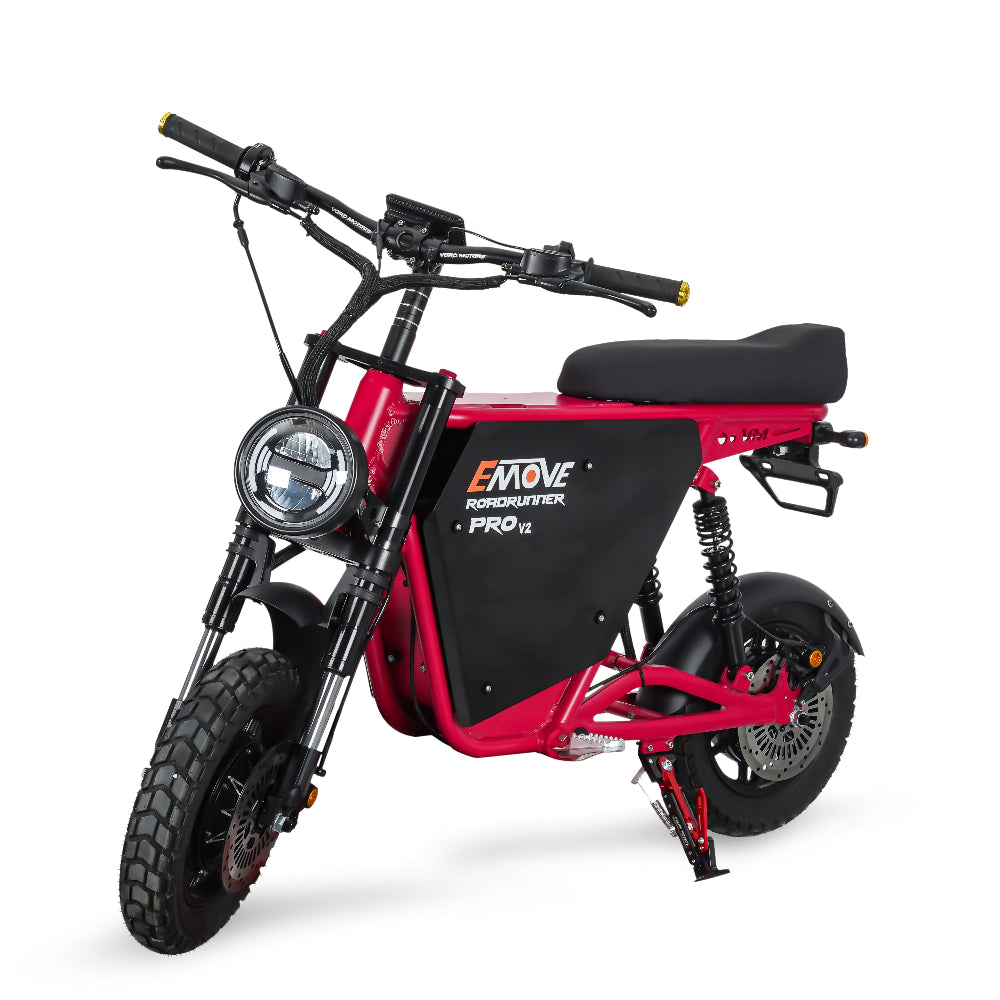
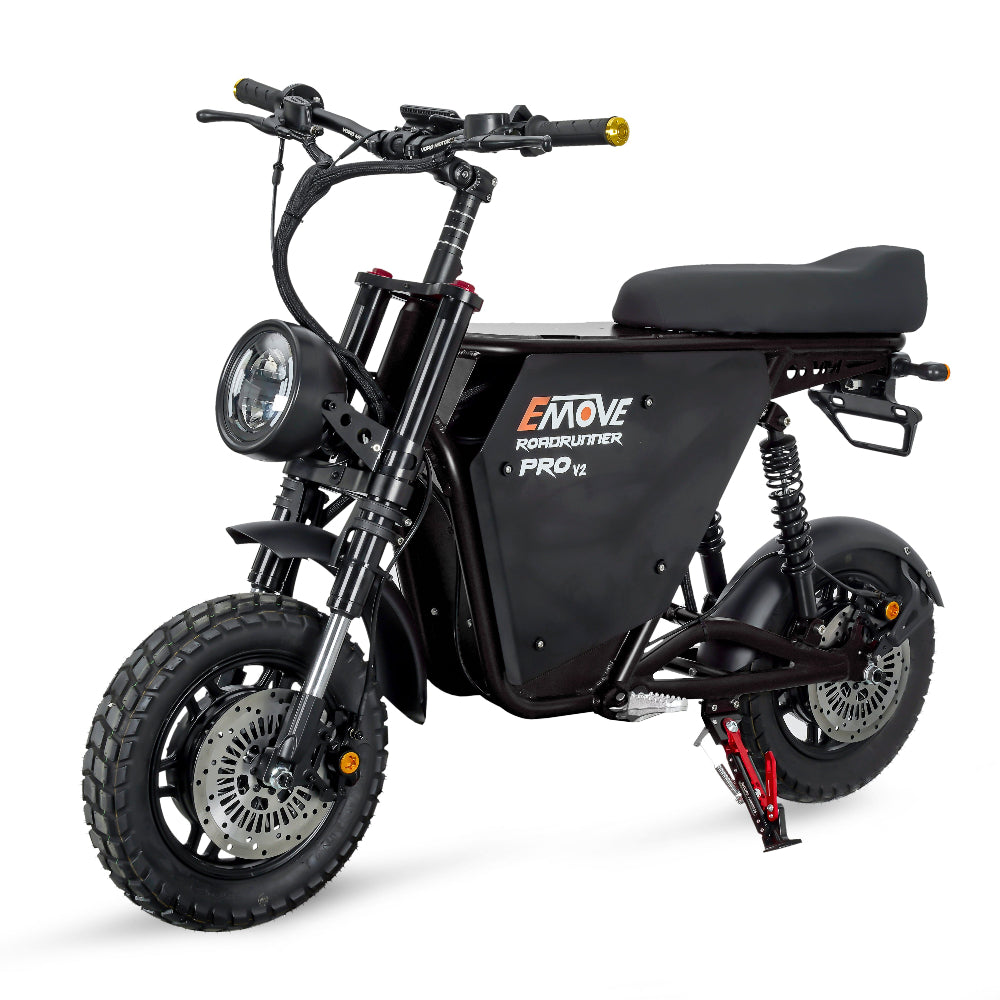
Black and Red, both with the 40Ah or 60Ah pack.


The numbers.
Full technical specification.
Performance figures are calculated for a rider of 200 lbs. Heavier riders should expect less speed, less range and less hill-climbing ability; lighter riders should meet or beat these figures. The maximum load has been adjusted downwards too — it does not mean the scooter cannot carry you, only that stated performance may vary. Range depends on terrain, rider weight, tire pressure and temperature.
Pro, V3, or the previous Pro.
Figures are the ones each scooter publishes on its own product page. The Pro is the one that stopped compromising: roughly double the speed of the V3 and a pack in e-moto territory, at a weight and price that still sit below a real electric motorcycle.
What riders say.
Customer Reviews
I recieved mine two weeks ago. I needed a scooter that has a good torque and power for climbing SF steep streets… Ive only put up 10 miles since Sept 1st, I havent open this up to its potential (meaning Level 4-5 on Rocket Mode) because I live in a somewhat high traffic neighborhood. BUT, Level 2 and 3 handles 20%-25% gradient very easy. The brakes are good, especially handling going downhill… The throttle is very responsive, so you have to be careful how play with it.
The wheel size is perfect as it can also take potholes and speed bumps very well.
the shocks arent bouncy, which I prefer.
I do wish it has a front turn signal, as well as an audible “clicking” sound when you have the turn signals on.
Overall, its a great commuter escooter.
It's so much fun, I'm considering getting another for my son. Thank you, Voro Motors.
I have The original EMOVE RoadRunner V1 launch in 2021-2022 it’s a thrill ride for sure.. I’m considering getting this RoadRunner pro v2 ..
The EMOVE RoadRunner Pro takes things even further with updated features and improvements that make it a great next step if you’re considering an upgrade. If you loved the first one, the Pro V2 could be an exciting ride for you!
Everytime i ride this thing it makes me, literally laugh out loud as the front tire is peeling out all over the place. Such a blast to ride, the stock rear springs will bottom out with 200lbs rider, but can get those replaced cheap.
Unloaded with a 72v battery speedo maxed out at 96mph.
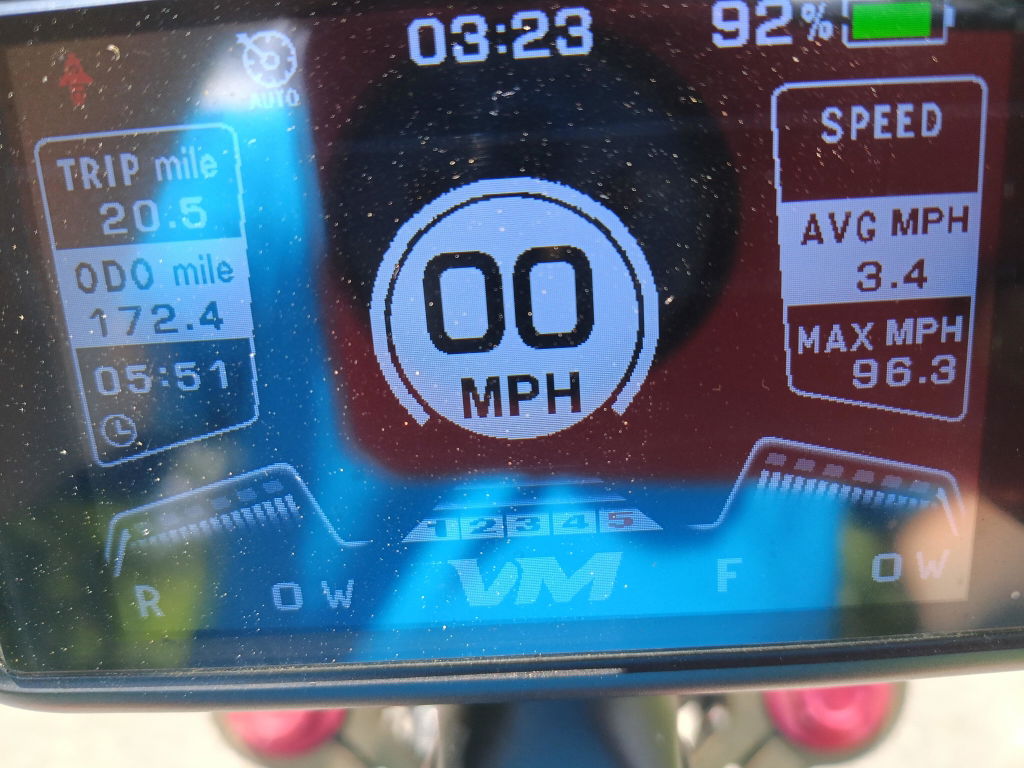
We're thrilled to hear you're having such a blast on the RoadRunner Pro, that front tire peel-out is no joke! You're right about the rear springs; many riders upgrade them for better support. And wow, 96mph with a 72V setup? That’s wild!, just be safe out there and enjoy the ride!
Love the Roadrunner Pro best e-scooter I ever had fast Love it
Good
Wow, Thanks for the 5 star review!
Roadrunner Pro
good job on manufactory and design and performance worth every Penney
What a Machine
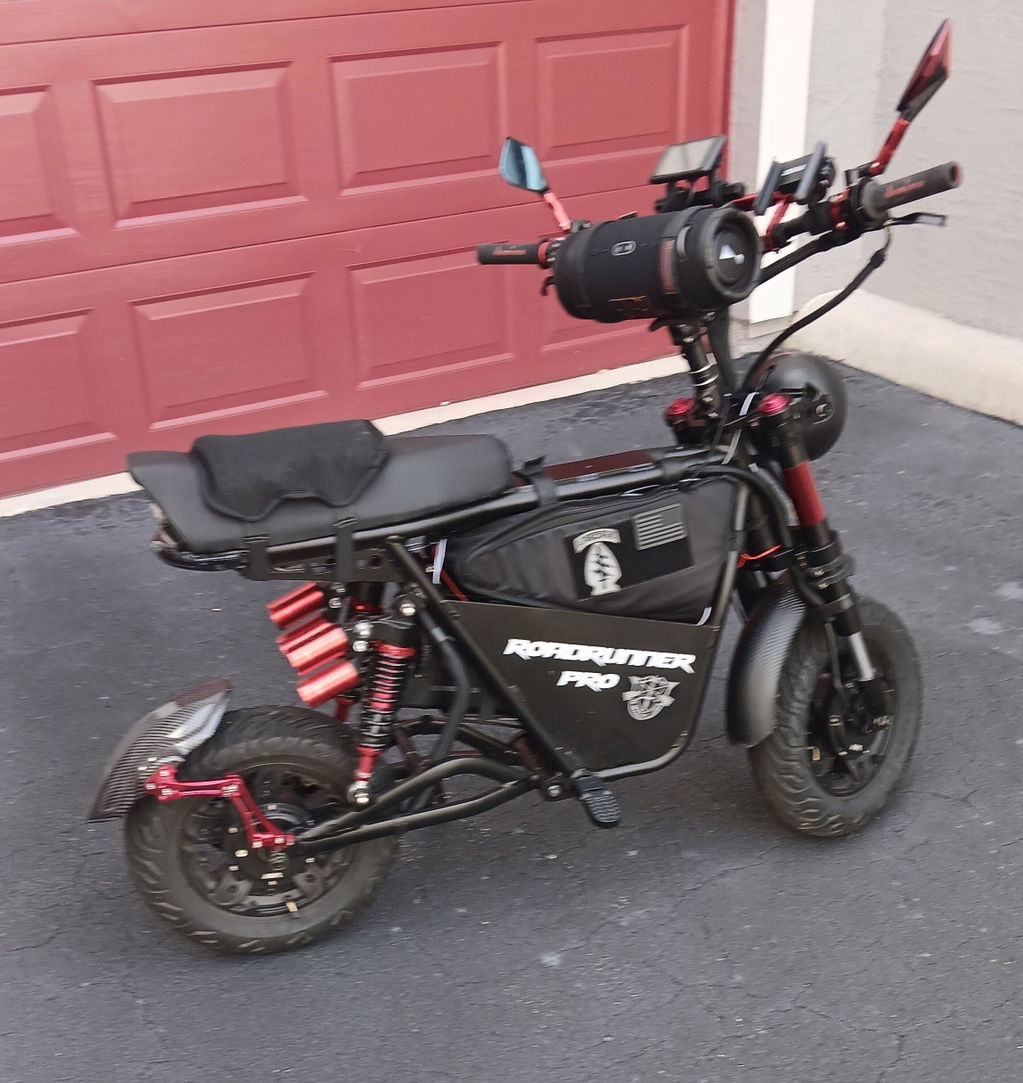
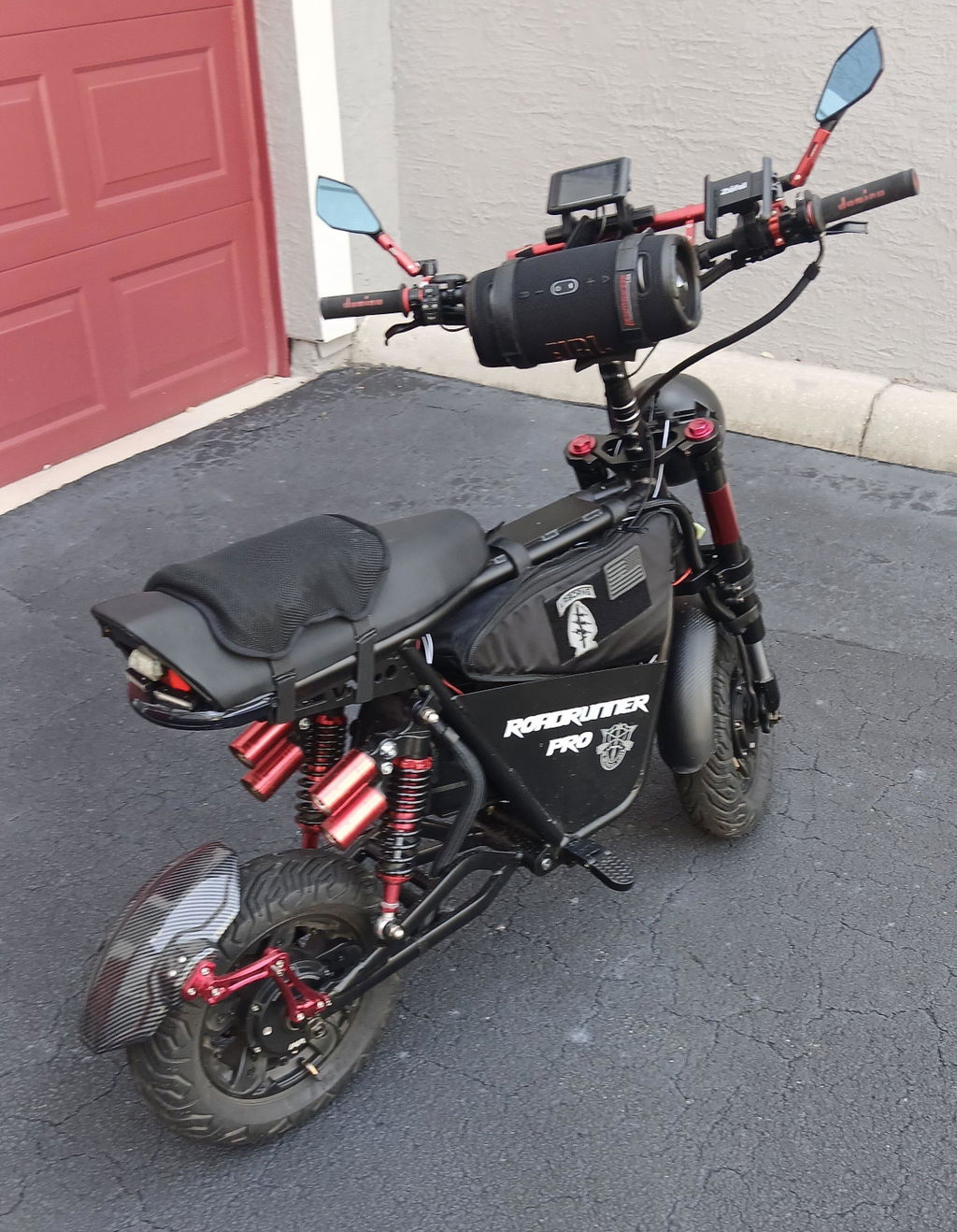
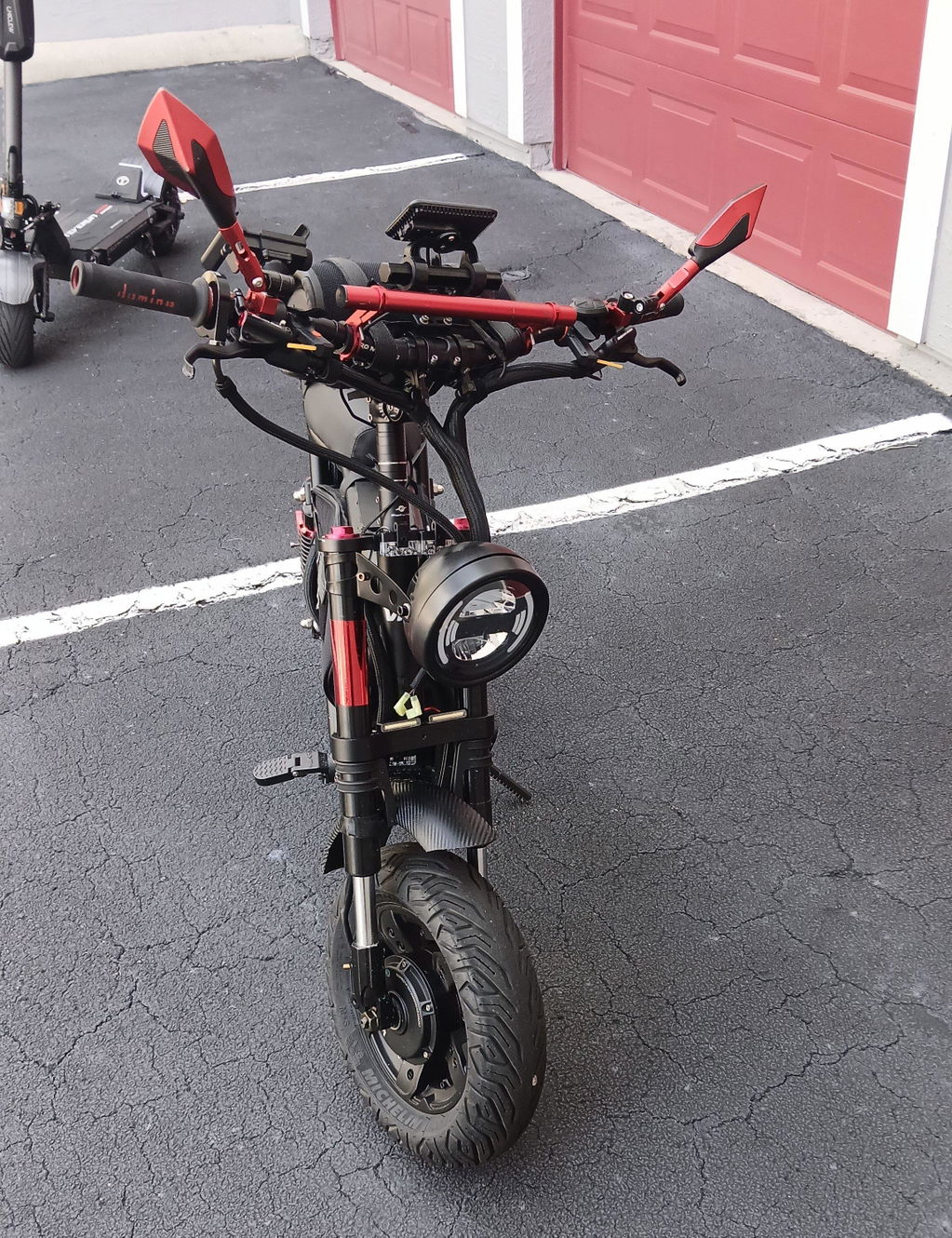
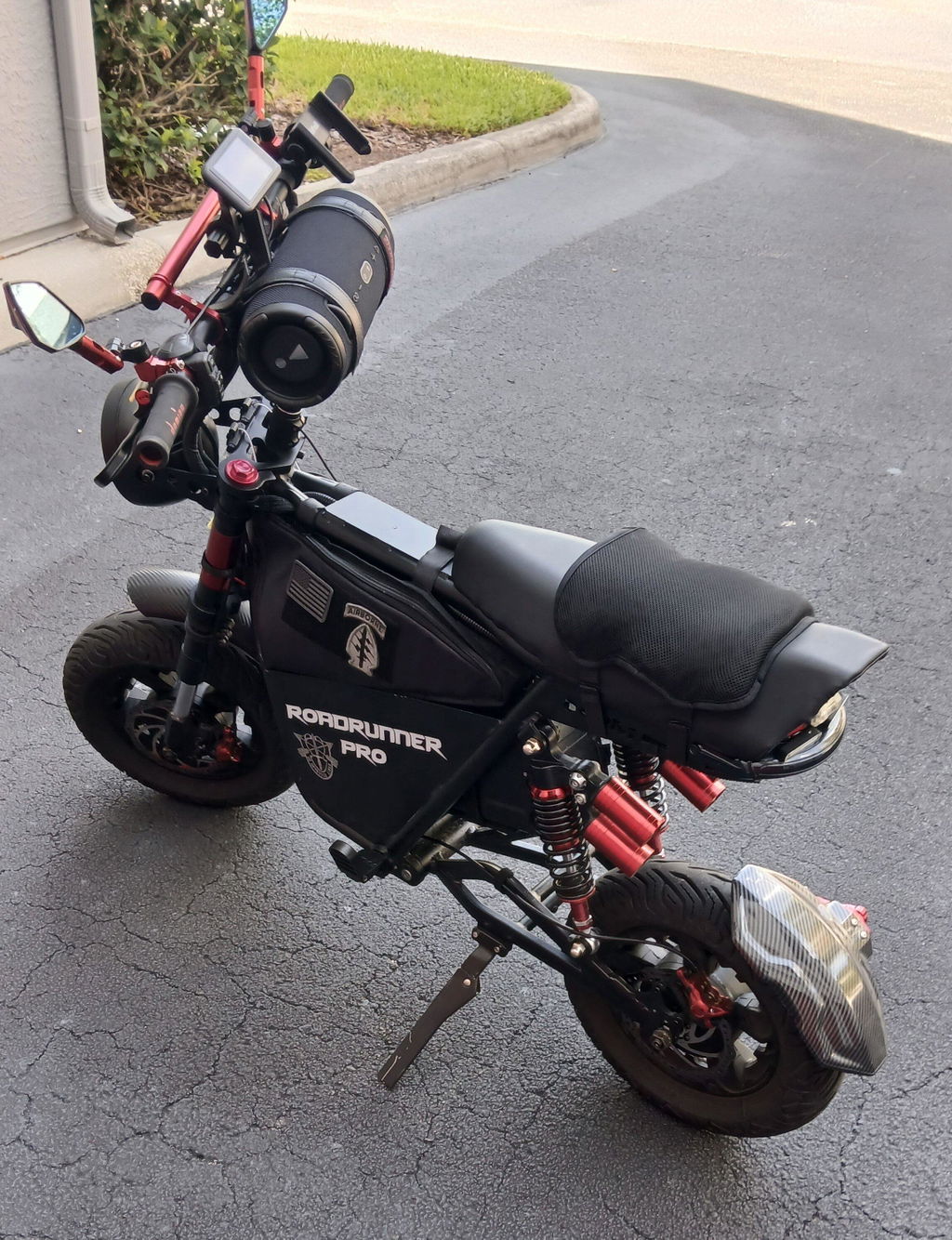
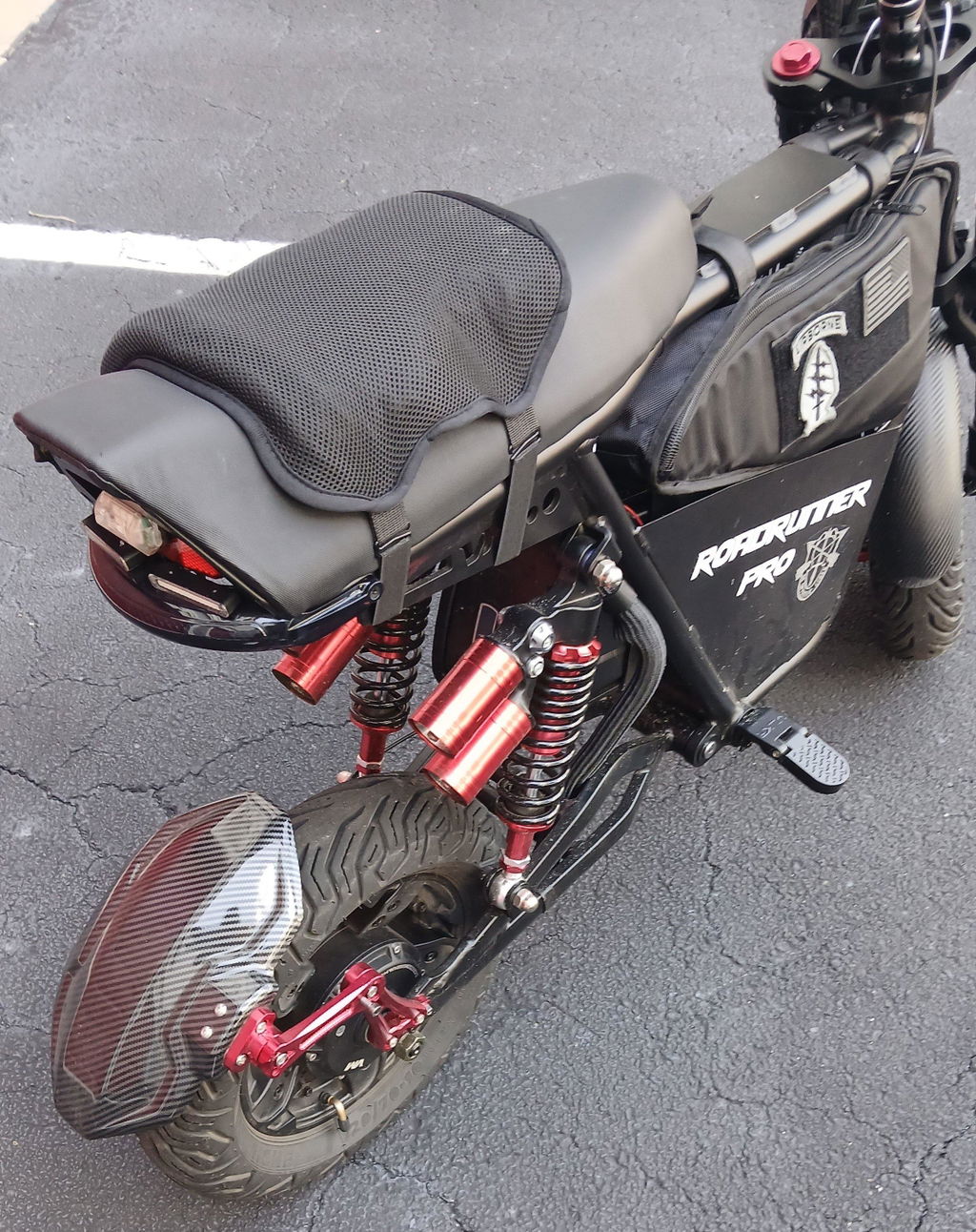
Thank you for the fantastic review!
We’re so glad to hear you're enjoying the EMOVE RoadRunner Pro, it really is a fun little machine with a big personality! We appreciate your kind words on the design, performance, and build quality. It means a lot to us to know it’s been worth every penny for you.
I'm very happy with the roadrunner pro.Now I won't be late to work because of public transportation.... But this is just my opinion. The way the battery must be unplugged eventually it will cause the wires to come loose/disconnected from the battery itself sooner than later.and the hatch that covers the battery rattles a lot even though its latched in ,kind of annoying I fixed it temporarily just by putting tape across. And i was wondering why my butt was getting hot then I noticed that the controller is under the seat.. but I give the roadrunner pro 10 stars. And hopefully it run well in the years to follow with proper care.
1st off I LOVE ROADRUNNER PRO
HAD FOR YEAR SO FAR
(if someone looking to buy I might sell mine once fixed up) need money well buy another one in future need $
Anyone know what this is?
Thanks for any input…
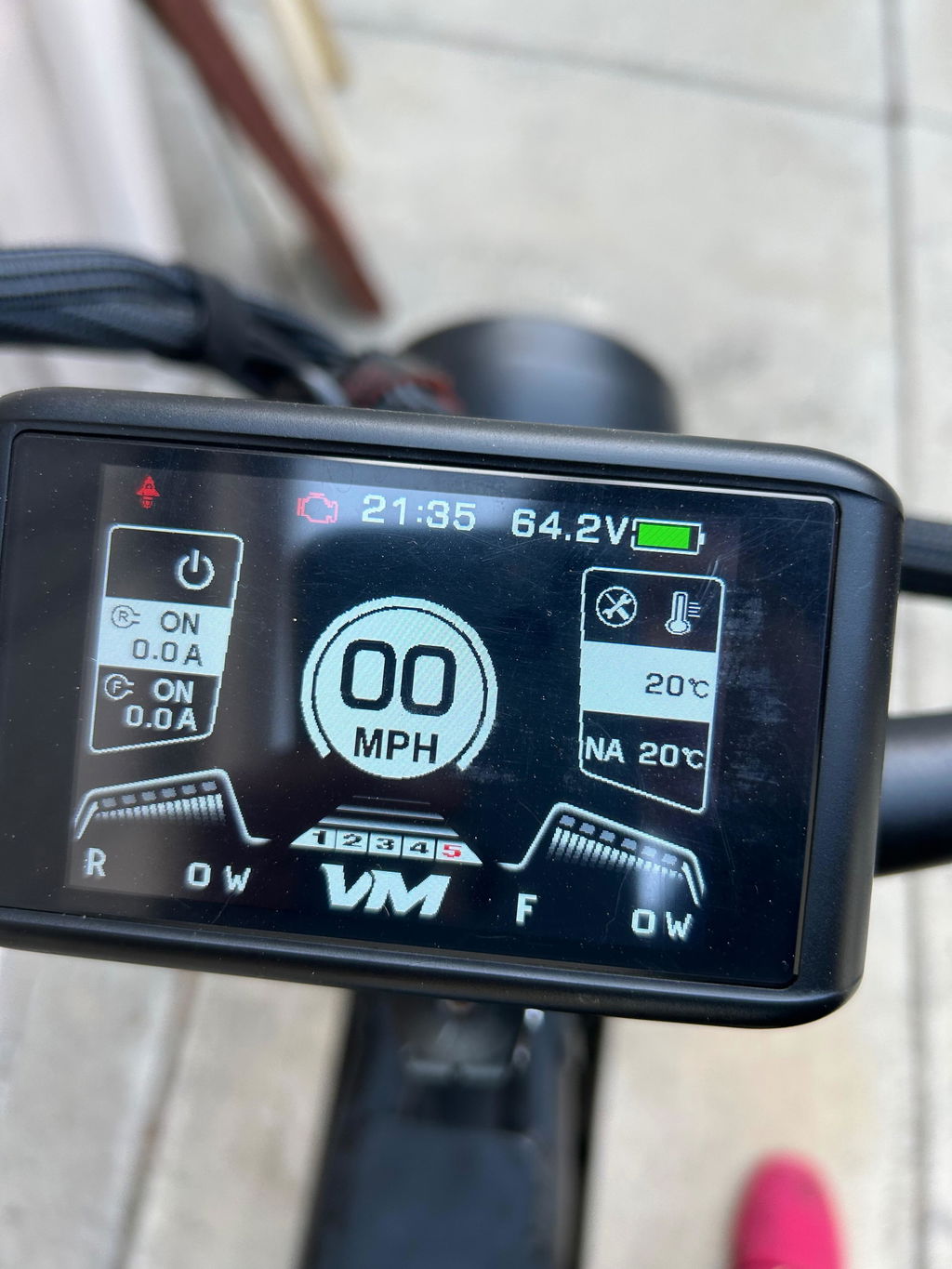
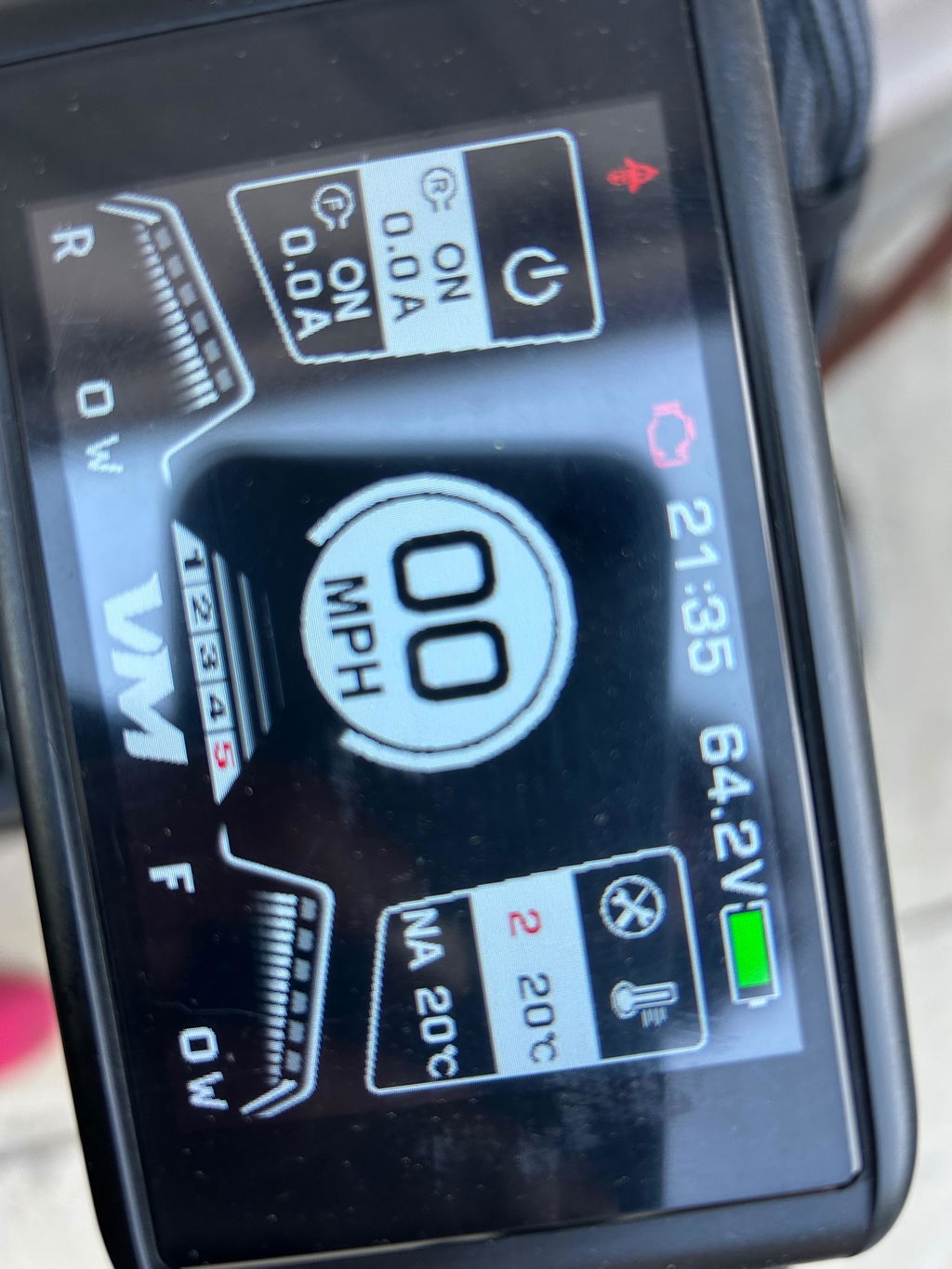
Thank you for the love! We’re thrilled to hear you’ve been enjoying your RoadRunner Pro for over a year, it’s always great to hear when a ride holds up strong over time.
EMOVE RoadRunner Pro Seated Electric Scooter
Before you buy.
It is powerful, but it is not unfriendly. Start in a lower speed setting and work up as you get comfortable, and the seated position gives you far more stability than a stand-up scooter does. If this is your first electric ride of any kind, give yourself a few sessions somewhere quiet before you take it into traffic.
The dual motors give it the torque for steep inclines, and the hydraulic front and spring rear suspension keep it composed over broken surfaces. It holds power output under load rather than sagging, so a long climb does not leave you crawling.
It is rated IPX5, so light rain and splashes are fine. Avoid heavy downpours and deep puddles — sustained water ingress is what damages electrical components. Fenders and a regular clean-down help.
Up to 352 lbs as the ideal maximum, and up to 420 lbs beyond that with reduced performance. The dual motors have the torque to hold speed under load, and the seated design keeps it stable with a passenger's worth of weight on board.
It is as safe as the brakes and the chassis make it, which is why both were rebuilt for this generation: DOT hydraulic calipers on 203 mm rotors, a 3 mm tubular frame, and 14 x 3 in tires for grip. Wear a full-face helmet at these speeds, and treat the top end as something you grow into.
Standing gets tiring long before the battery does. On a 50-mile ride the seat is the difference between arriving fresh and arriving sore, and it keeps you steadier at speed.
Check tire pressure and brake pads, keep the battery charged, and bleed the brakes and top up the fluid periodically — DOT hydraulics ask for that in exchange for the stopping power. Parts and support are stocked in the US.
The 40Ah covers most riders: roughly 55 miles in ideal conditions, 40 hard-ridden. The 60Ah is for people who genuinely ride long, or who want to charge less often — 4,320Wh, up to 75 miles ideal.